

Agriculture is one of the oldest industries in the world, yet today it is going through one of the biggest technological transformations in its history. Farms, agri-distributors, food processors and agricultural supply chains are becoming increasingly complex. What once relied heavily on manual planning and spreadsheets is now moving toward digital systems that can manage operations in real time.
Recent industry reports show that the Agriculture ERP market is expected to grow significantly between 2026 and 2033. This growth is being driven by rising global food demand, the need for efficient resource management and increasing pressure on agricultural businesses to operate sustainably and profitably.
Modern agribusinesses are now looking for technology platforms that can bring everything together in one place: farm operations, inventory, procurement, logistics, finance, equipment management and data analytics.
This is where Agriculture ERP systems are becoming essential. Among the many ERP platforms available today, Odoo is quickly gaining attention as a flexible and scalable ERP solution that fits perfectly with the needs of growing agriculture businesses.
Agriculture is no longer limited to traditional farming practices. Today it involves large supply chains, international exports, equipment fleets, cold storage logistics and strict compliance with food safety standards.
Agribusiness companies must manage a wide range of operations, including crop production, livestock tracking, fertilizer and seed inventory, farm equipment maintenance, warehouse operations and financial planning. Handling all of this through disconnected software or manual systems often leads to inefficiencies, data errors and poor visibility into operations.
As the industry expands and global markets become more competitive, agricultural businesses need better control over their processes. This is why ERP systems designed for agriculture are becoming increasingly important. They provide a centralized platform where all business activities can be monitored, automated and optimized.
The shift toward digital agriculture is also being supported by government initiatives, investments in agritech, and the growing availability of farm technology such as sensors, IoT devices and predictive analytics tools.
The agriculture industry is evolving into what many experts call “smart agriculture.” Farms are now using technology to track crop health, monitor soil conditions, optimize irrigation and manage equipment fleets.
However, these innovations generate large amounts of data. Without a structured system to manage this data, businesses struggle to turn insights into action.
ERP systems play a crucial role in connecting these technologies and translating operational data into meaningful business decisions. With a modern ERP platform, agricultural businesses can integrate production data, warehouse inventory, procurement activities, financial transactions and logistics operations into one unified system.
This level of visibility helps businesses make faster decisions, reduce waste and improve profitability.
Many agriculture companies still rely on spreadsheets, standalone software or manual workflows to manage their operations. While these methods may work for smaller farms, they quickly become inefficient as businesses grow.
One of the biggest challenges is lack of visibility across the organization. Farm managers may not have real-time information about inventory levels, equipment availability or financial performance. This can lead to delays, shortages or overstocking of critical supplies.
Another common issue is the difficulty of managing seasonal operations. Agriculture businesses often experience fluctuations in production and demand, which makes planning and forecasting extremely complex.
Traceability is also becoming increasingly important. Food safety regulations require businesses to track products from farm to consumer. Without a centralized system, maintaining accurate traceability records can be extremely difficult.
These challenges highlight the growing need for a comprehensive ERP system designed to handle the complexities of modern agriculture.
An Agriculture ERP system is designed to connect all operational aspects of an agricultural business into a single digital platform.
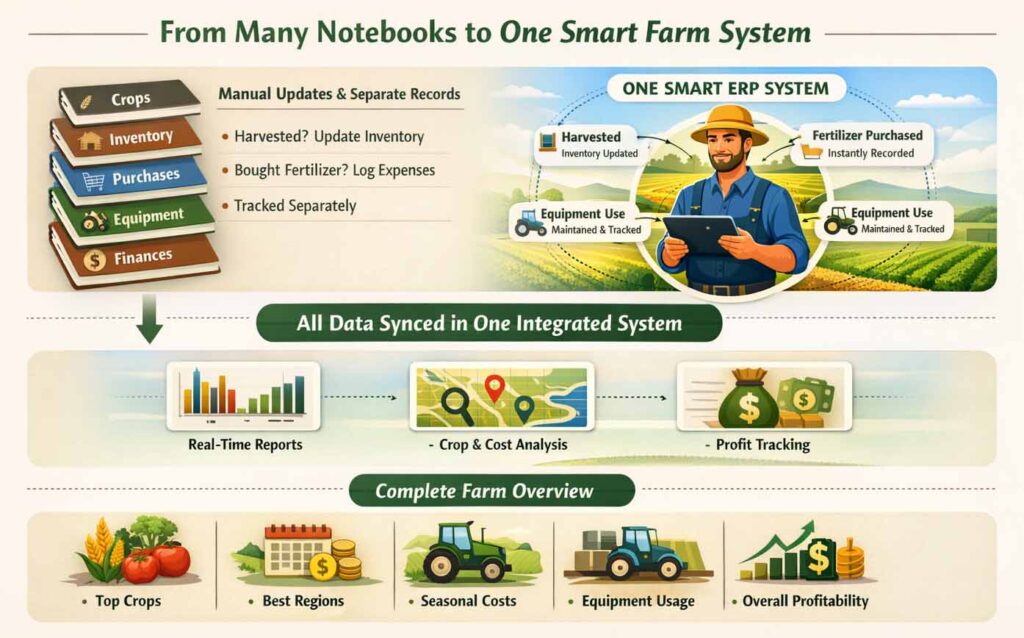
Instead of managing production, inventory, procurement, finance and equipment separately, ERP integrates these processes so that information flows seamlessly across the organization.
For example, when crops are harvested and moved into storage, the ERP system automatically updates inventory levels. When fertilizer or seeds are purchased, procurement data is instantly reflected in accounting and inventory modules.
ERP systems also provide powerful reporting tools that help managers analyze productivity, track operational costs and monitor profitability across different crops, regions or seasons.
By bringing all business data together, Agriculture ERP systems help organizations operate more efficiently while maintaining full visibility over their operations.
Large enterprise ERP systems such as those offered by major technology vendors can certainly manage complex operations, but they often come with high costs, long implementation timelines and rigid structures that are difficult to customize for agriculture workflows.
Many agriculture companies operate in regional markets or mid-sized business environments where investing in extremely expensive ERP platforms may not be practical.
Additionally, traditional ERP systems sometimes lack flexibility when it comes to adapting to the seasonal and operational dynamics of agriculture.
This has created a growing demand for ERP platforms that combine enterprise-level capabilities with flexibility and affordability.
Odoo has gained global attention as a modular ERP platform that allows businesses to manage multiple operations within a single ecosystem. Its flexibility makes it particularly suitable for industries with complex workflows, including agriculture.
One of the strongest advantages of Odoo is its modular structure. Businesses can start with core applications such as inventory, sales and accounting, and then gradually expand to include procurement, manufacturing, maintenance and logistics modules.
For agriculture companies, this means the ERP system can evolve alongside the business.
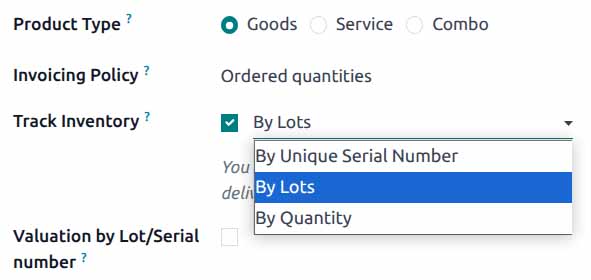
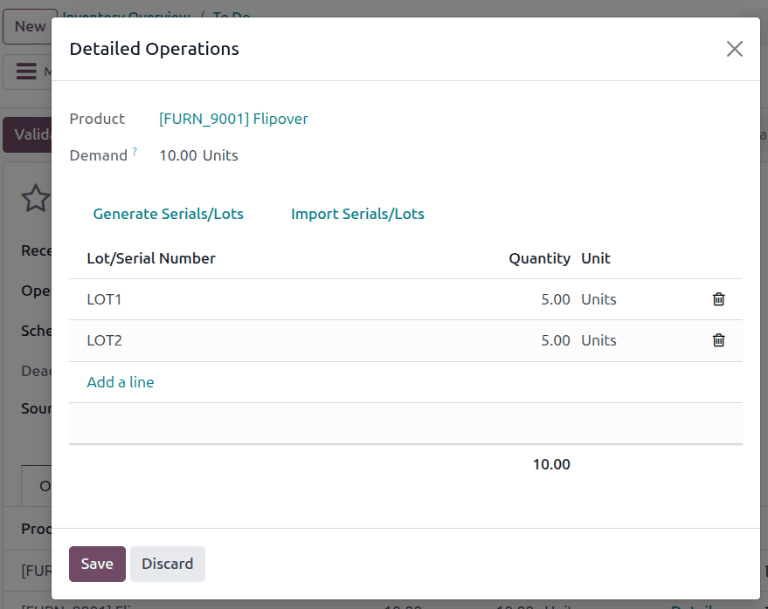
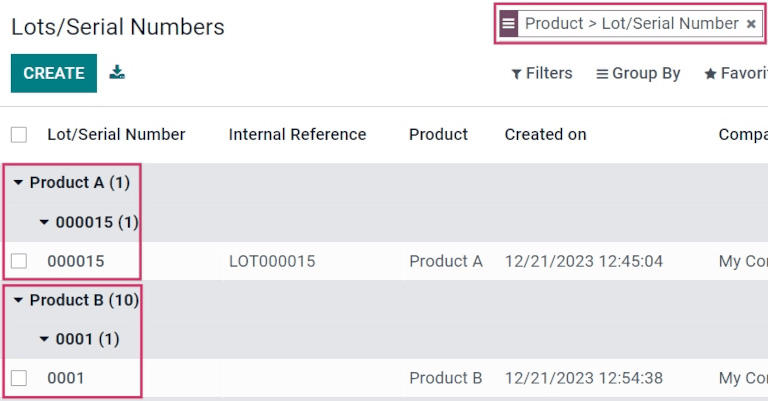
Odoo also supports advanced inventory management with lot and batch tracking, which is essential for managing agricultural products and ensuring traceability. Equipment maintenance features allow businesses to monitor tractors, harvesters, irrigation systems and other farm machinery.
Another important aspect is supply chain management. Agricultural businesses often depend on large networks of suppliers, warehouses and distributors. Odoo provides tools that help coordinate these operations while maintaining accurate stock levels and procurement planning.
By combining operational management with financial reporting, Odoo enables agribusinesses to maintain full visibility over their activities.
Agriculture ERP solutions must support a wide range of capabilities that go beyond basic accounting or inventory management.
Businesses need systems that can manage crop planning, livestock operations, equipment maintenance, warehouse logistics, procurement processes and financial reporting.
Traceability is another critical feature. Food safety standards require detailed tracking of products across the entire supply chain. ERP systems help businesses record batch numbers, production dates, storage conditions and distribution details.
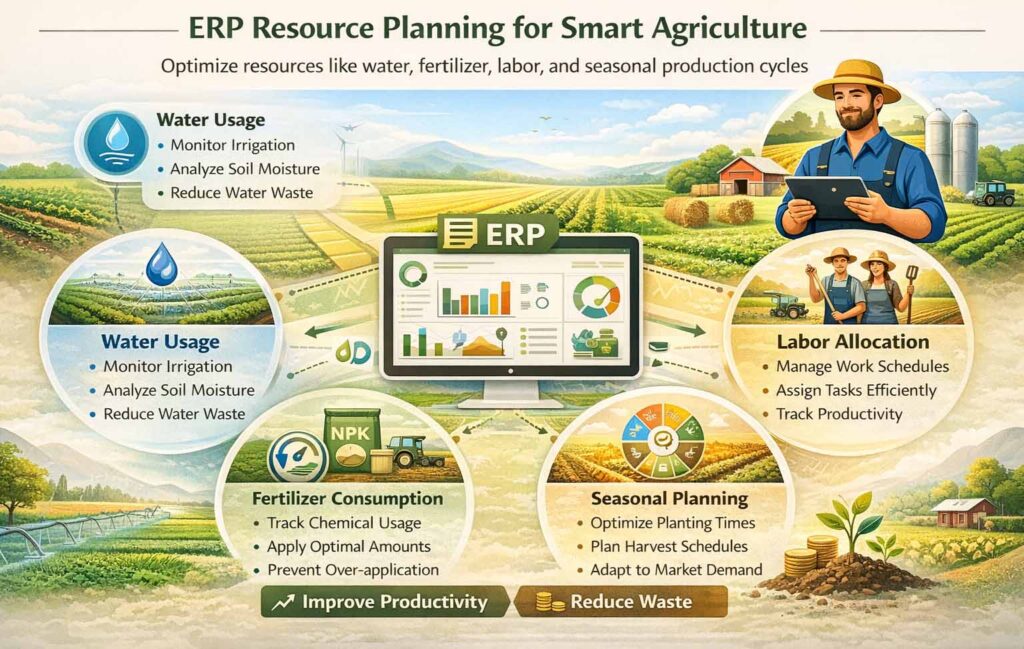
Resource planning is also essential. Agricultural companies must manage water usage, fertilizer consumption, labor allocation and seasonal production cycles. ERP platforms help optimize these resources to improve productivity and reduce operational waste.
Modern ERP systems also provide advanced analytics dashboards that allow decision-makers to monitor performance metrics and identify opportunities for improvement.
The next phase of agriculture ERP will be driven by data and automation.
Emerging technologies such as IoT sensors, satellite monitoring and predictive analytics will play an increasingly important role in agricultural operations. These technologies generate valuable data that can help optimize crop yields, reduce environmental impact and improve operational efficiency.
ERP platforms will serve as the central hub that connects these technologies with business processes.
In the future, agriculture ERP systems will not only track operational activities but also provide predictive insights. Businesses will be able to anticipate supply chain disruptions, forecast crop performance, and optimize production strategies using data-driven insights.
This shift toward digital agriculture will transform how agribusinesses operate and compete in the global market.
The agriculture industry is entering a new era where technology adoption is becoming essential for growth and competitiveness.
Businesses that invest early in digital platforms will gain significant advantages in efficiency, traceability and decision-making. They will also be better prepared to adapt to regulatory changes, sustainability requirements and evolving consumer expectations.
ERP systems are no longer optional tools reserved for large enterprises. They are becoming fundamental infrastructure for modern agriculture operations.
Organizations that delay digital transformation risk falling behind competitors who are already using technology to streamline their operations and improve productivity.
The rapid growth of the Agriculture ERP market clearly shows that the industry is moving toward digital operations and integrated technology platforms. Agribusinesses across the world are realizing that managing complex agricultural processes requires more than spreadsheets or disconnected software tools.
ERP systems are becoming the backbone of modern agriculture, helping organizations manage production, supply chains, inventory, finance and equipment within a single platform.
At Pragmatic Techsoft, we have spent years working with businesses across industries to design ERP solutions that align with real operational needs.
Our experience with Odoo allows us to create flexible systems that adapt to the workflows of agriculture businesses rather than forcing companies to change their processes around rigid software.
We understand that agriculture operations are unique. Seasonal planning, equipment management, supply chain coordination and traceability requirements demand an ERP approach that is both practical and scalable. By leveraging the capabilities of Odoo, we help agribusinesses implement systems that grow alongside their operations.
Our focus is not simply on software implementation. We work closely with organizations to understand their operational challenges, optimize their processes, and build ERP systems that truly support long-term growth.
As agriculture continues its transformation into a data-driven industry, the right ERP foundation will play a critical role in shaping the future of agribusiness.
If your organization is exploring ways to modernize operations, improve traceability, or scale agricultural supply chains more efficiently, this is the right time to begin that journey.
We invite you to explore how Odoo-powered agriculture ERP solutions can support your business goals.
Not at all. While large farms benefit significantly from ERP systems, mid-sized agribusinesses such as seed distributors, fertilizer companies, dairy producers and agricultural traders can also gain tremendous value from ERP adoption.
Yes. Modern ERP platforms can integrate with external technologies including IoT sensors, equipment monitoring systems, and farm management tools. This allows businesses to combine operational data with business insights.
Implementation timelines vary depending on the size of the business and the complexity of operations. A well-planned ERP implementation can range from a few weeks for smaller setups to several months for large agricultural organizations.
ERP systems help improve operational visibility, reduce manual work, streamline supply chains, enhance traceability and provide better financial insights. These improvements directly contribute to higher efficiency and profitability.
Yes. ERP systems can manage international logistics, compliance documentation, customs processes and multi-currency financial operations, which makes them highly useful for agricultural exporters.

March 10, 2026




Leave a Reply
You must be logged in to post a comment.