
The spreadsheet everyone quietly trusted
Every business has that one file.
The spreadsheet everyone refers to.
The one stored in a shared folder, on a desktop or maybe even passed around on WhatsApp with names like stock_final_v3, stock_updated_new or warehouse_sheet_latest.
At first, it works fine.
One warehouse | One stockkeeper| One Excel sheet.
A few orders a day.
That setup can survive for a while when operations are simple.
But as the business grows, everything around inventory gets more complicated.
That is usually where the trouble begins.
Not because people are careless.
Not because teams are incapable.
But because the business has outgrown the way it manages inventory.
When stock becomes a coordination problem
Most businesses do not lose control of inventory overnight.
It usually happens slowly.
On paper, the inventory exists.
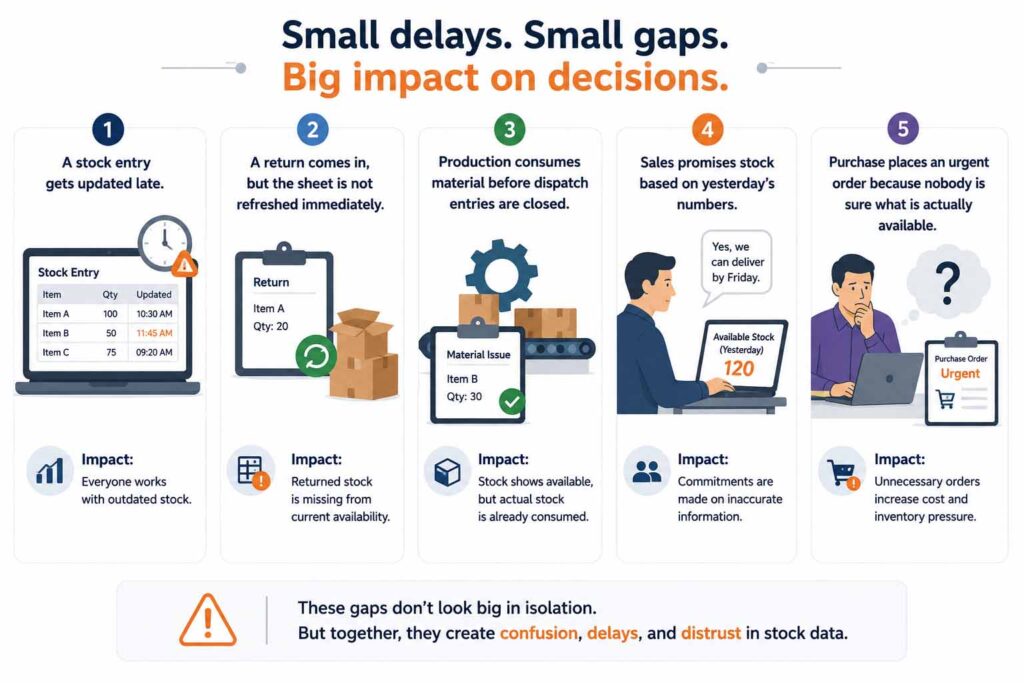
In reality, the business is constantly trying to figure out where that inventory is, who has touched it, whether it is reserved, and whether the number in the sheet is still trustworthy.
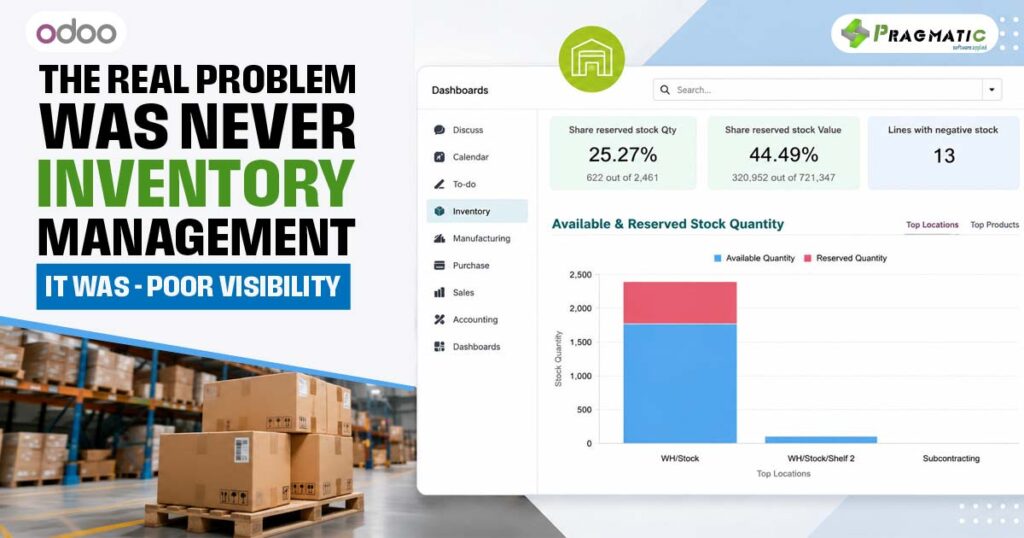
That is when inventory stops being just an inventory issue. It becomes a visibility issue.
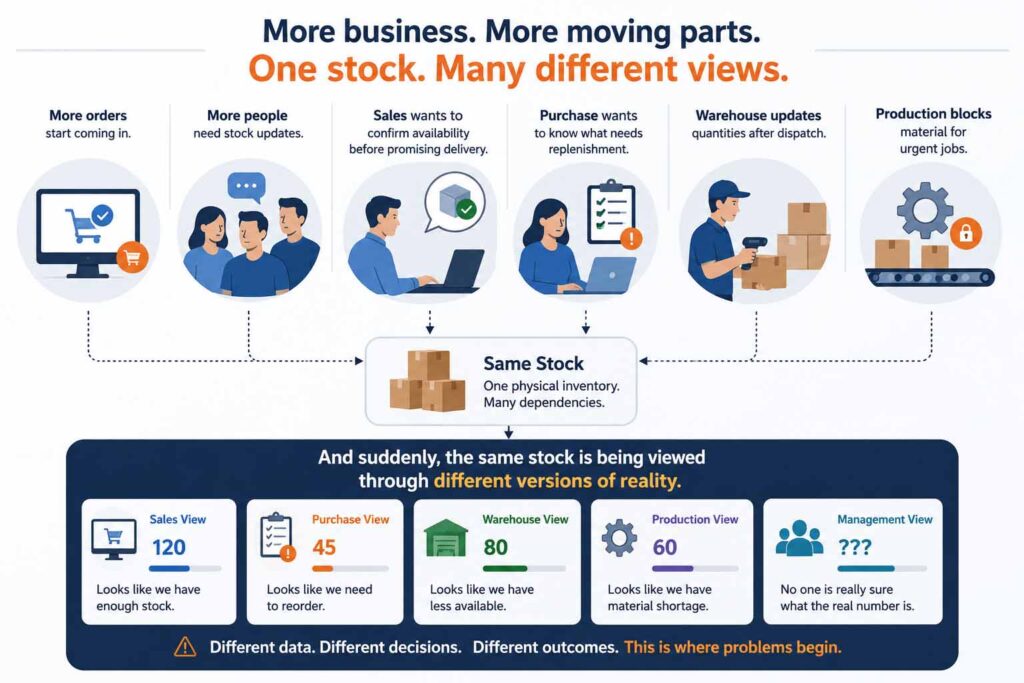
And once visibility is weak, every department starts building its own workaround.
👉One person calls the warehouse before confirming an order. Another physically checks racks before planning production. Someone keeps a backup sheet “just in case.”
The dispatch team writes urgent allocations on a whiteboard because updating Excel during loading hours takes too long.
It sounds messy because it is messy. But it is also very common.
Why growing businesses hit this stage
This problem usually appears when operations grow faster than systems.
What starts small becomes layered very quickly.
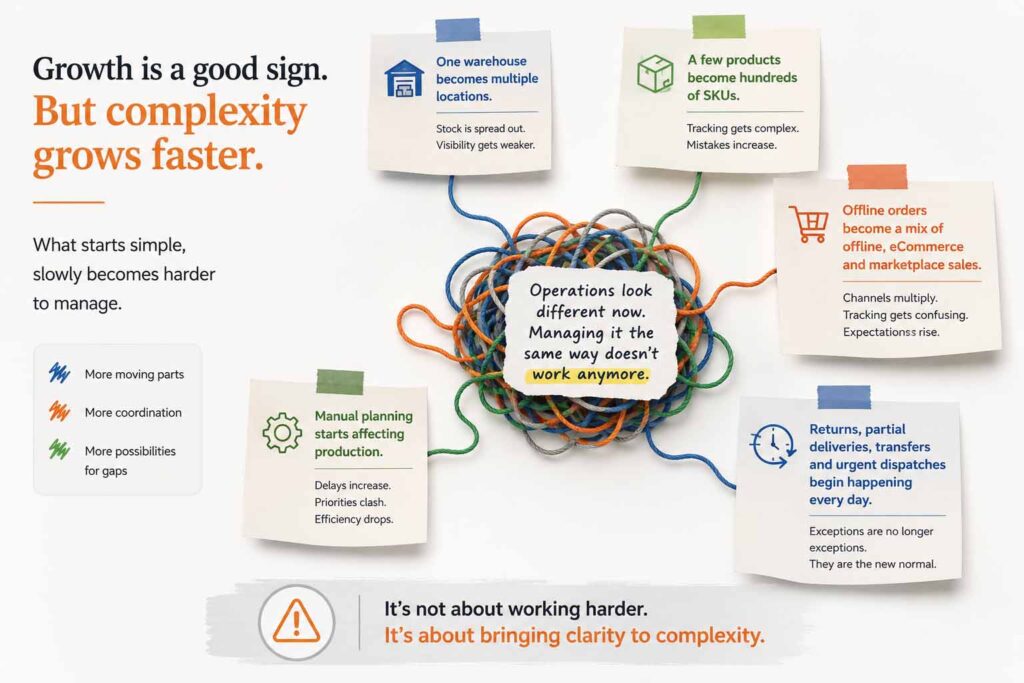
At that point, inventory is no longer a static list of products.
It becomes a live operational flow.
And that is exactly where spreadsheets start falling short.
Excel is not bad.
Tally is not useless.
WhatsApp is not the enemy.
The problem is that these tools were never meant to act as a single source of truth for a growing operation.
They can support work.
But they cannot easily coordinate work across departments in real time.
That is where teams begin spending too much time checking, confirming, rechecking and reconciling instead of actually moving the business forward.
The hidden cost of poor visibility
When inventory is unclear, the obvious losses are easy to notice.
Delayed dispatches
Duplicate orders
Emergency procurement
Overproduction
Customer complaints
Frustrated warehouse staff
But the bigger cost is often invisible.
It is the delay in decision-making.
Because once teams stop trusting the inventory record, every decision needs human confirmation.
👉Can somebody check actual stock?
👉Was this quantity already allocated?
👉Did dispatch update yesterday’s movement?
👉Which file is the latest one?
👉Is this stock physically available or only available in the sheet?
These small questions may sound harmless, but they slow the business down every single day.
They create friction between departments. They make planning less reliable, force managers to depend on memory, calls and manual follow-ups.
And over time, that constant coordination becomes expensive.
Let’s take an example
A mid-sized electrical distributor we worked with faced this exact kind of issue while growing across multiple warehouses.
Their inventory technically existed on record, but every team maintained a different version of the truth.
👉Warehouse teams updated dispatches at the end of the day.
👉Sales tracked urgent allocations separately on WhatsApp.
👉Purchase maintained reorder sheets outside their core system.
👉Operations teams physically walked to shelves before confirming availability.
So while the business had data, it did not have visibility.
That created repeated stock mismatch issues, emergency purchasing, delayed dispatches, duplicate orders, and a lot of internal confusion.
Customers received inconsistent delivery commitments. Warehouse teams were constantly under pressure.
Managers spent too much time resolving stock disputes instead of improving operations.
The root problem was not missing stock. The root problem was fragmented inventory visibility.
What better inventory management actually means
When people say they need “better inventory management,” they usually mean one of three things:
They want
Fewer stock errors
Faster decisions
Everyone to work from the same numbers
That is why the real solution is not just digitization.
It is connected to visibility.
A good system should help the business see :
- What stock is available
- What is reserved
- What is under dispatch
- What has been returned
- What is in production
- What is moving between warehouses
- What needs to be replenished
Without that, teams keep creating side systems to compensate for the gaps.
That may work for a while, but eventually it becomes difficult to manage.
How Odoo helps
This is where Odoo becomes valuable for growing businesses.
Not because it magically fixes every inventory issue.
But because it gives the business one connected place to manage inventory, warehouse movement, sales, purchase, production, accounting and eCommerce.
When implemented well, Odoo helps reduce the need for disconnected spreadsheets and manual updates.
- Real-time stock visibility
Odoo updates inventory centrally as transactions happen.
That means dispatches, receipts, returns, internal transfers, reservations and manufacturing consumption can all reflect in the same system.

So instead of asking different people for different numbers, teams can work from one source of truth.
- Warehouse and location tracking
Many businesses do not just need to know whether stock exists.
They need to know where it exists.
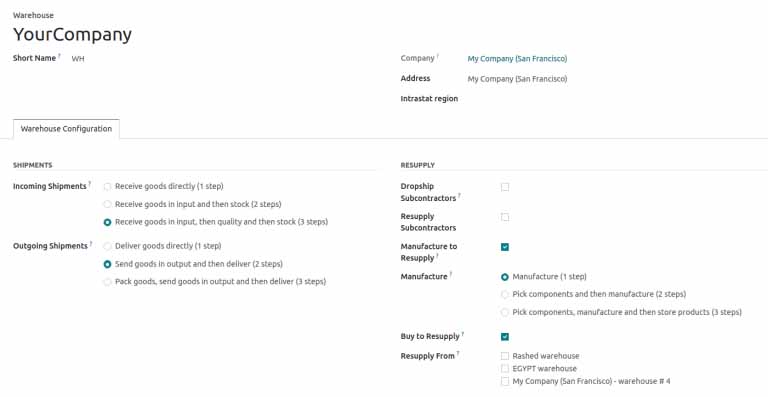
Odoo supports multiple warehouses, sublocations, dispatch zones, QC areas, production staging locations, racks and bin-level movement.
That matters because “we have the stock” is not enough if nobody knows where it is sitting.
Manufacturing coordination
In manufacturing environments, inventory visibility is even more important.
If material is consumed before records are updated, planning quickly becomes unreliable.
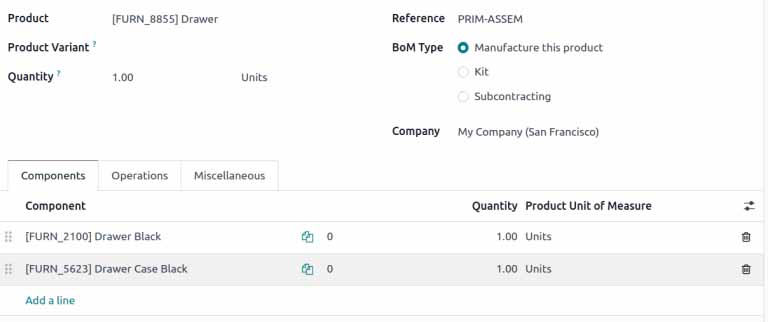
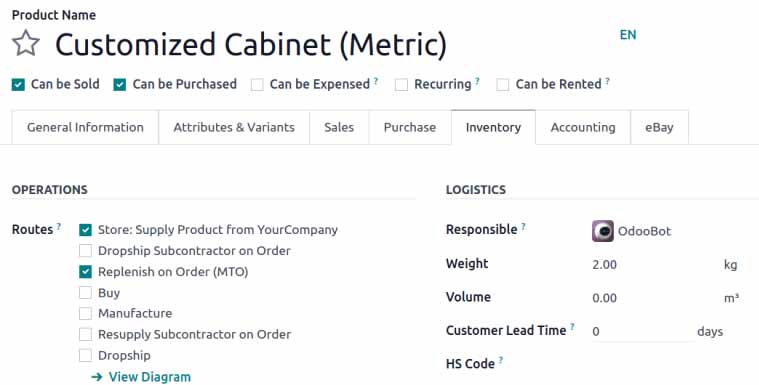
Odoo connects manufacturing orders, material consumption, replenishment and finished goods movement so production planning is based on actual inventory flow rather than assumptions.
Barcode-based movement
One of the biggest reasons inventory records fall behind is simple : physical movement happens faster than manual entry.
Barcode-based confirmations help reduce that gap.
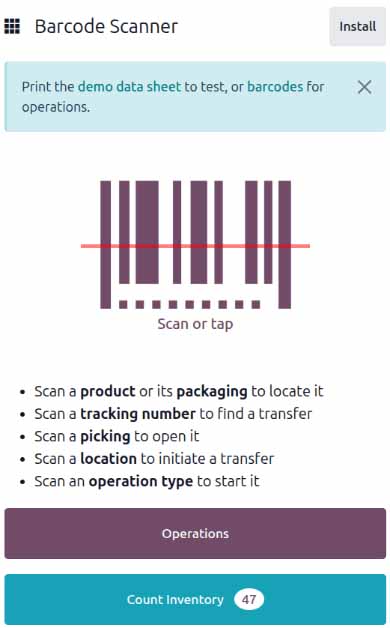
When receipts, transfers and dispatches are captured properly, the system stays much closer to reality.
eCommerce synchronization
For businesses selling online, the challenge becomes even bigger.
Inventory changes across the website, warehouse, returns, offline sales and sometimes multiple channels.
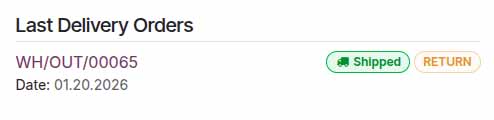
If those channels are not connected, overselling and stock confusion become very likely.
When marketplace orders, shipping updates and warehouse movement are not connected in real time, stock confusion and delayed dispatches become very difficult to avoid.
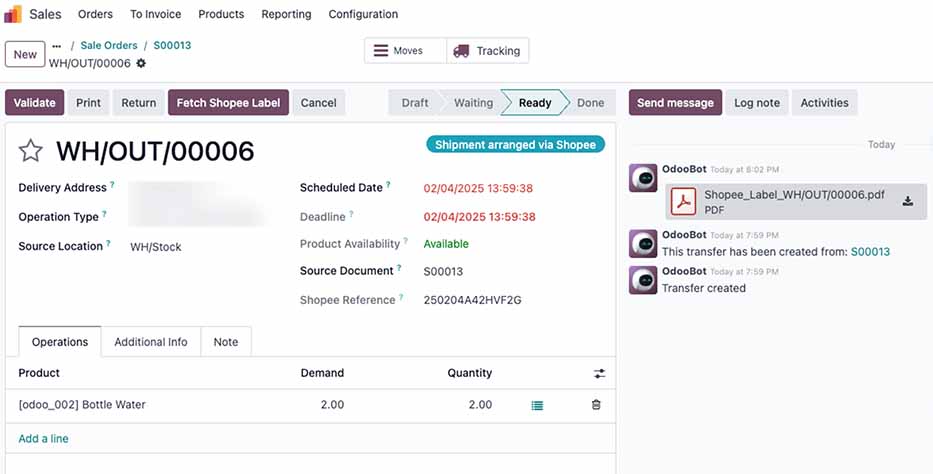
This is where connected inventory workflows start becoming critical for growing eCommerce operations.
A connector between WooCommerce and Odoo helps synchronize products, orders, customers, shipping updates and inventory across systems – so warehouse teams, sales teams and online storefronts work from the same operational visibility.
Why ERP alone is not enough
This is important.
Buying ERP software does not automatically solve inventory chaos.
A system can only work as well as the process behind it.
If warehouse flows are unclear, if teams bypass updates, if opening balances are inaccurate or if departments keep side sheets alive, the new system will simply digitize the old confusion.
That is why implementation matters so much.
The software is only one part of the solution. The bigger part is process design :
- How stock moves
- Who updates what
- When entries are made
- How urgent dispatches are handled,
- How returns are recorded
- How transfers are approved
- How each department stays aligned
Without that clarity, even a good system can feel unreliable.
What businesses usually need
Most businesses do not actually need more software.
They need a cleaner operational structure.
They need :
- One inventory truth
- Fewer manual follow-ups
- Clearer warehouse processes
- Better coordination between departments
- A system that reflects real movement fast enough to trust.
That is why inventory projects should not be treated as software installations alone.
They should be treated as operational improvements.
How Pragmatic Techsoft fits in
At Pragmatic Techsoft, the focus is not only on implementing Odoo.
Our team focuses on understanding how the business actually moves inventory in real life.
Because inventory affects warehouse operations, procurement, production, sales, dispatch, accounting and customer delivery.
With experience across manufacturing, distribution, retail, healthcare, construction and eCommerce, our main goal is to help businesses reduce coordination stress and build a system that people actually trust.
That includes :
- Odoo consulting
- Implementation
- Customization
- Migration
- Integration
- Warehouse process mapping
- WooCommerce synchronization
- Long-term support
The aim is not to simply move manual work into software.
The aim is to remove the need for so much manual checking in the first place.
Final thought
Inventory problems are rarely just about inventory.
They are usually about visibility, coordination and trust.
When businesses grow, the old way of managing stock with memory, calls and spreadsheets eventually starts breaking down.
That does not mean the business is failing.
It usually means the system has stopped matching the scale of operations.
And once that happens, the real opportunity is not to work harder.
It is to build a process where everyone sees the same truth at the same time.
That is what good inventory management should do.
- It should make decisions easier, not harder
- It should reduce guesswork, not increase it
- It should help the business move faster with confidence
For many growing businesses, the smartest ERP journeys don’t begin with “full transformation.”
They begin with fixing one operational friction point properly.
And inventory visibility is often the most practical place to start.
Because once warehouse movement, stock coordination, dispatch visibility and inventory trust improve, the rest of operations usually becomes much easier to align.
If your team is beginning to feel the pressure of disconnected inventory management, manual coordination or unreliable stock visibility, it may be worth starting with a simple operational assessment first.
Connect with Pragmatic Techsoft to explore how Odoo can help bring clarity to your inventory and warehouse operations – starting with the areas creating the most friction today.
FAQS
1) Which businesses usually face inventory visibility issues?
Manufacturing, distribution, retail, eCommerce, FMCG, spare parts and warehouse-heavy businesses often face these issues, especially during growth.
2) Why do businesses keep using Excel for inventory?
Because Excel feels simple and flexible in the beginning. But as operations grow, it becomes harder to manage multiple teams, locations and real-time updates in one file.
3) How does Odoo improve inventory visibility?
Odoo centralizes inventory, warehouse, sales, purchase, manufacturing and eCommerce operations, which helps teams work from one connected system.
4) Can Odoo handle multiple warehouses?
Yes. Odoo supports multi-warehouse operations, internal locations, transfers, dispatch zones, QC areas and more.
5) Is ERP enough on its own?
No. ERP works best when the business also defines clear processes, ownership and stock movement discipline.