
Why manufacturers are reaching their operational breaking point
Most manufacturing companies do not suddenly decide to implement an ERP system.
The decision usually comes after years of operational friction slowly building in the background.
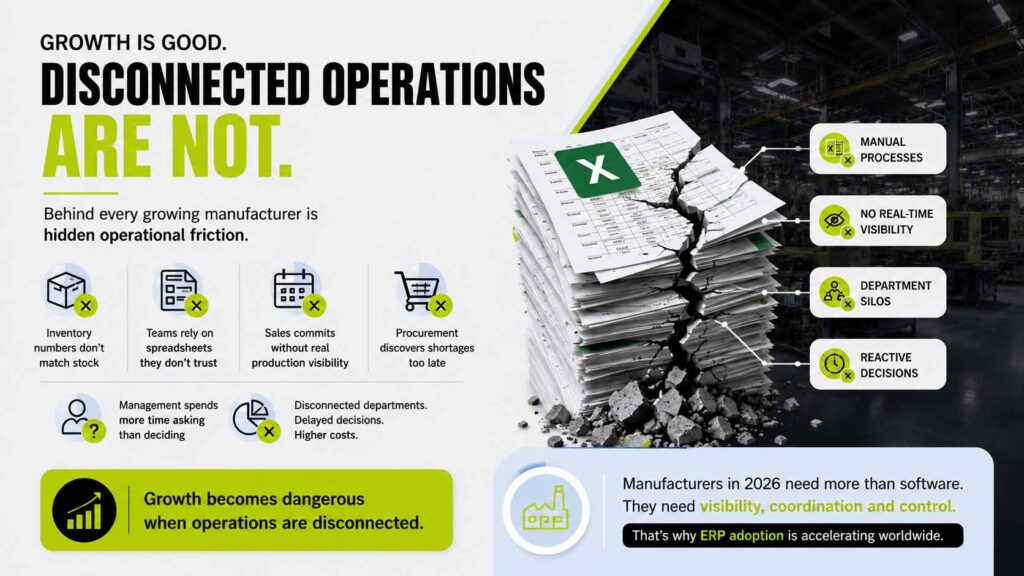
Inventory numbers stop matching physical stock.
Production teams start maintaining separate spreadsheets because they no longer trust the system.
Sales commits delivery dates without real visibility into production capacity.
Procurement teams discover shortages too late.
And management spends more time asking for updates than actually making decisions.
The reality is simple –
Growth becomes dangerous when operations remain disconnected.
Many manufacturers generating significant revenue are still operating with fragmented systems, Excel-based planning, manual approvals and disconnected departments. That might work at smaller volumes.
But once production complexity increases, operational cracks start appearing everywhere.
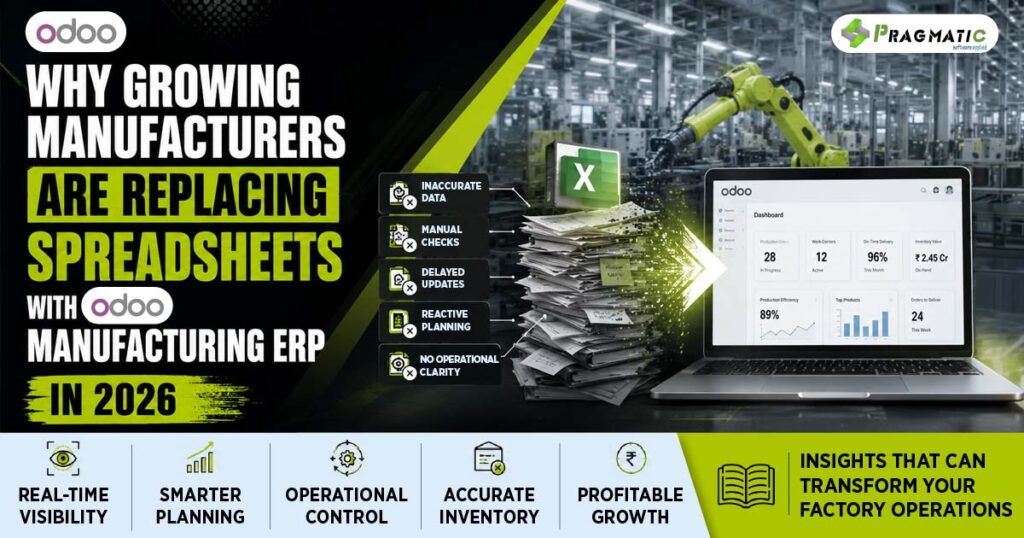
This is exactly why manufacturing ERP adoption is accelerating globally in 2026.
Modern manufacturers are no longer looking for software that only records transactions. They want operational visibility, real-time coordination and systems that help teams make faster decisions with fewer manual dependencies.
That is where Odoo Manufacturing ERP is becoming a serious contender for growing manufacturers.
Why traditional systems start failing manufacturers
Most operational problems inside factories do not begin on the shop floor.
They begin because information moves slower than production itself.
A manufacturer may already have accounting software, inventory software or separate tools for procurement and sales. But disconnected systems create disconnected decisions.
Common signs usually appear early :
- Warehouse teams manually verifying inventory before dispatch
- Production delays because materials were not planned correctly
- Purchase teams reacting instead of forecasting
- Separate spreadsheets for scheduling
- Sales promising unrealistic delivery timelines
- Managers depending heavily on specific employees for updates
- Lack of real-time production visibility
- Inaccurate costing across jobs and production batches
Eventually, operations become dependent on people instead of systems.
That dependency becomes expensive.
Not only financially, but operationally.
When businesses scale without process visibility, every additional order creates more complexity instead of more efficiency.
What modern manufacturing ERP actually solves
A proper manufacturing ERP system is not just inventory software.
It connects the entire operational chain.
From procurement to production planning, inventory movement, quality control, maintenance, dispatch, accounting and reporting, every department operates from a shared source of truth.
This changes how decisions are made.
Instead of asking : “Can we produce this?”
Teams start asking : “What is the fastest and most profitable way to produce this?”
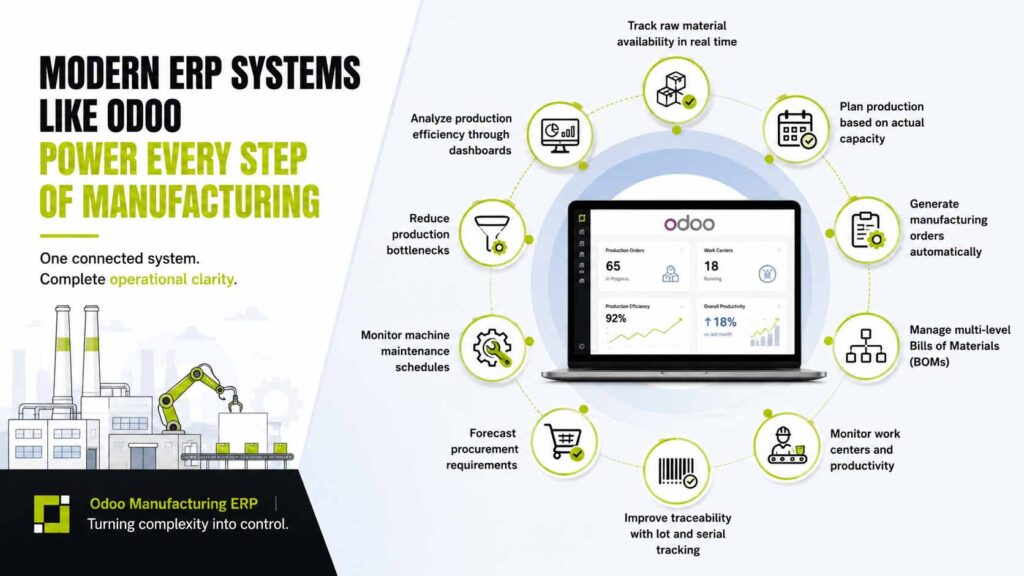
The operational difference becomes visible very quickly.
Teams stop chasing updates because the system already knows what is happening.
The latest Odoo Manufacturing features helping factories in 2026
Recent updates in Odoo Manufacturing have significantly improved usability, automation and production visibility for manufacturers.
Especially in Odoo 18 and Odoo 19, the platform has become much stronger for growing manufacturing environments.
Some of the most valuable manufacturing capabilities now include :
Advanced Shop floor management
Odoo now offers improved tablet-friendly shop floor interfaces where operators can :
- Start and pause work orders
- Record production progress
- Log quality checks
- Track downtime
- Update quantities in real time
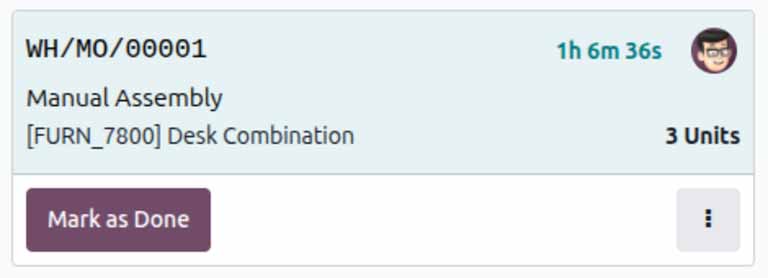
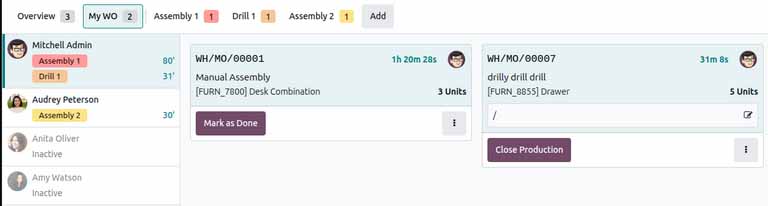
This reduces dependency on manual reporting after production is completed.
Smarter production planning
Manufacturers can now visualize workloads more effectively across work centers and production lines.
This helps planners identify :
- Capacity overloads
- Delays
- Idle resources
- Scheduling conflicts
before they become operational problems.
Predictive maintenance workflows
Machine downtime is one of the biggest hidden production killers.
Odoo’s maintenance module now allows manufacturers to :
- Schedule preventive maintenance
- Track machine failures
- Monitor equipment performance
- Automate maintenance requests
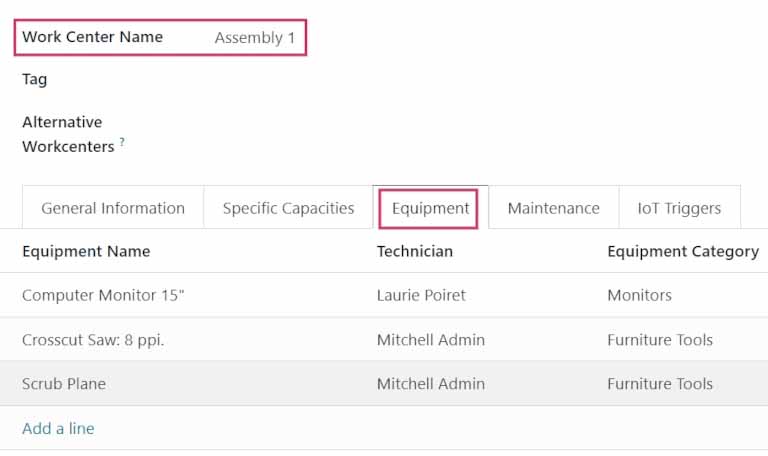
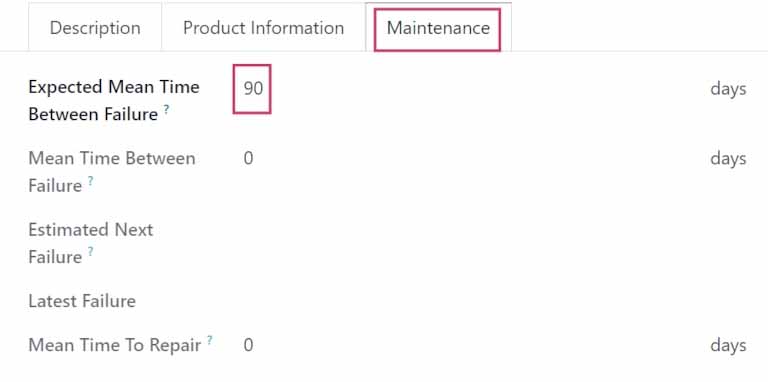
This reduces unexpected disruptions on the shop floor.
Improved barcode and Warehouse Operations
Warehouses can now operate faster with :
- Barcode scanning
- Batch transfers
- Real-time stock updates
- Multi-warehouse management
- Inventory adjustments directly from mobile devices
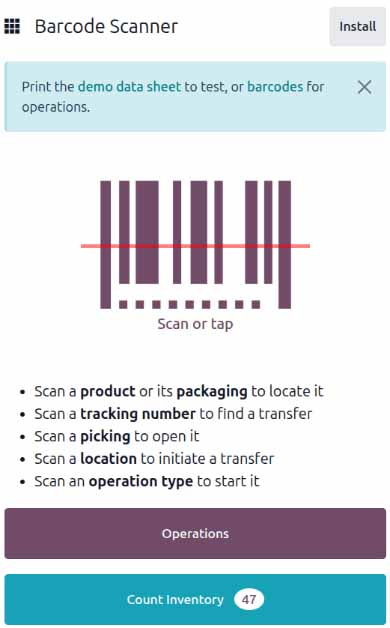
This is especially useful for manufacturers managing multiple storage locations or production units.
Better manufacturing analytics
Modern manufacturing decisions require live operational data.
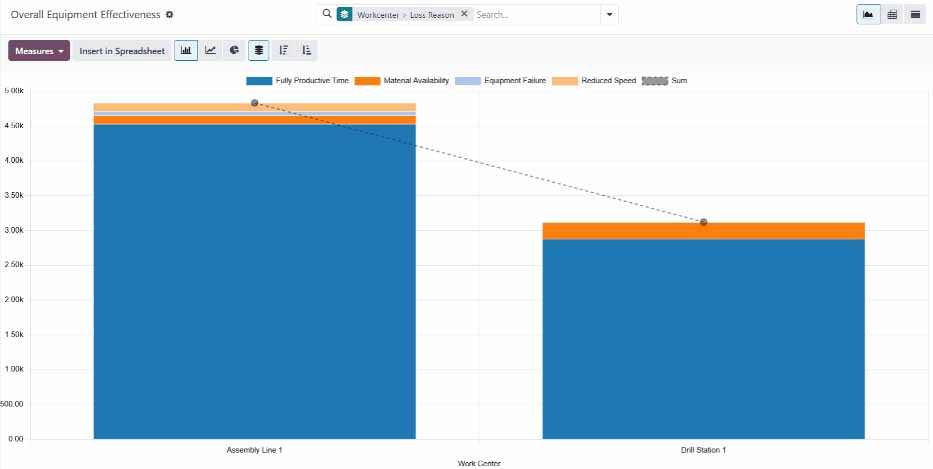
Odoo dashboards now provide :
- OEE visibility
- Production analysis
- Inventory movement tracking
- Delivery performance
- Procurement delays
- Work center productivity metrics
Instead of relying on static reports generated days later.
How Odoo improves inventory accuracy across warehouses
Inventory inaccuracies create a chain reaction across manufacturing.
One incorrect stock number can impact :
- Production schedules
- Procurement planning
- Delivery commitments
- Customer trust
- Financial forecasting
This is why inventory accuracy becomes one of the biggest operational priorities for scaling manufacturers.
Odoo improves inventory control by connecting :
- Purchasing
- Manufacturing
- Warehousing
- Sales
- Dispatch
inside one ecosystem.
Stock updates happen automatically as operational activities occur.
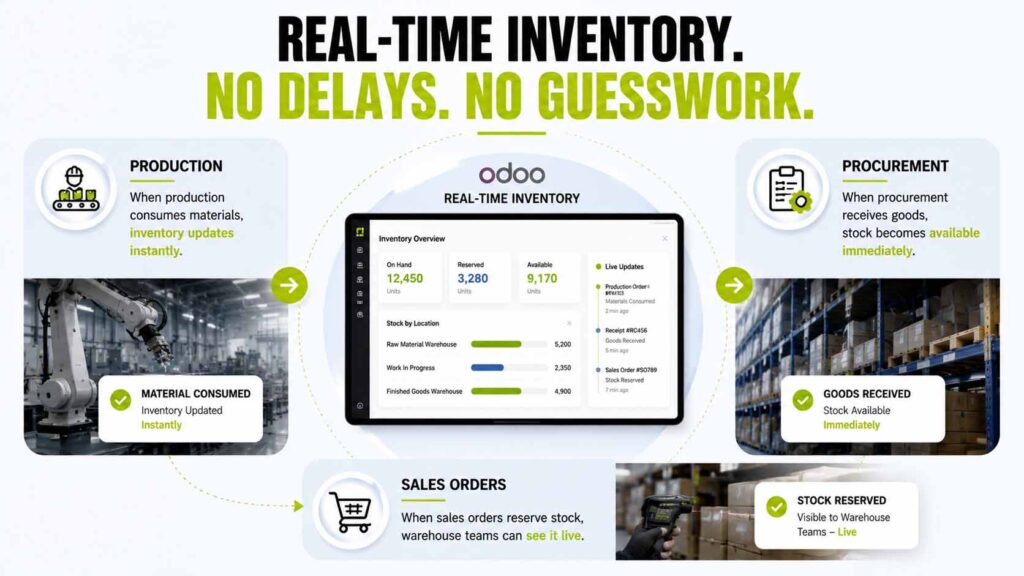
This significantly reduces operational confusion caused by disconnected systems.
Production planning without constant firefighting
Many factories operate in reactive mode.
Production teams spend their days responding to shortages, delays and scheduling conflicts instead of optimizing throughput.
Modern manufacturing ERP changes this dynamic.
Odoo allows planners to :
- Forecast material demand
- Visualize production schedules
- Allocate resources properly
- Identify bottlenecks early
- Prioritize urgent orders intelligently
This creates operational predictability.
And predictability is what allows manufacturers to scale sustainably.
Why BOMs and routing accuracy matter more than ever
Bills of Materials and operational routings are the foundation of manufacturing accuracy.
If these are poorly managed, the entire ERP ecosystem becomes unreliable.
Incorrect BOM structures create :
- Wrong production costs
- Inventory mismatches
- Procurement issues
- Production delays
- Poor planning outputs
Odoo helps manufacturers structure :
- Multi-level BOMs
- Alternative components
- By-products
- Work center operations
- Labor tracking
- Subcontracting processes
accurately inside the system.
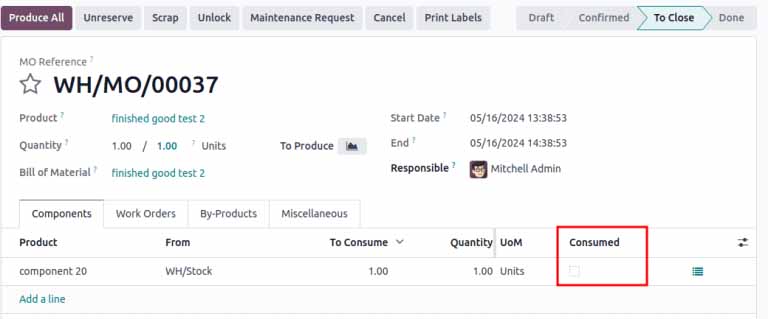
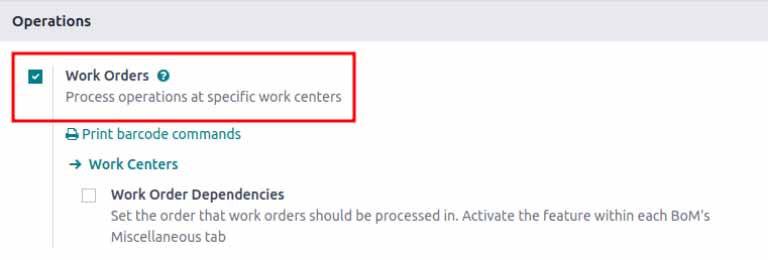
This becomes especially important for manufacturers handling customized production or multiple product variants.
Real-time visibility across procurement, production and dispatch
One of the biggest operational advantages manufacturers gain after ERP implementation is visibility.
Not reports. Actual visibility.
Management teams can finally see :
- Which orders are delayed
- Which materials are unavailable
- Which work centers are overloaded
- Which products generate better margins
- Which customers create operational pressure
- Which processes are slowing delivery timelines
Without depending on manual follow-ups from multiple departments.
That level of operational clarity changes decision-making speed dramatically.
The hidden cost of spreadsheet-based manufacturing operations
Spreadsheets are flexible.
But they are not operational systems.
As manufacturing complexity increases, spreadsheets create :
- Version conflicts
- Data duplication
- Manual dependency
- Reporting delays
- Human error
- Poor traceability
The dangerous part is that these inefficiencies often remain invisible until scale exposes them.
By then, operational cleanup becomes significantly harder.
ERP implementation is not simply about replacing spreadsheets.
It is about restoring operational trust.
What a modern manufacturing ERP implementation should look like
ERP implementation should never begin with software.
It should begin with operational understanding.
A good implementation partner studies :
- Production flow
- Warehouse movement
- Procurement behavior
- Scheduling methods
- Reporting structures
- Department dependencies
before configuring the system.
At Pragmatic Techsoft, manufacturing ERP implementation is approached strategically rather than generically.
The objective is not just to deploy modules.
The objective is to build operational clarity across the business.
That includes :
- Production workflows
- Inventory architecture
- BOM structuring
- Reporting visibility
- User adoption
- Automation opportunities
- Future scalability
Because the success of ERP is rarely determined by features alone.
It is determined by how accurately the system reflects real operational behavior.
Why manufacturers prefer flexible ERP systems like Odoo
Traditional ERP systems are often expensive, rigid and difficult to customize.
Modern manufacturers need flexibility.
Especially SMEs and mid-sized manufacturers that are evolving quickly.
Odoo stands out because it allows manufacturers to :
- Start modularly
- Scale gradually
- Customize workflows
- Integrate departments
- Automate repetitive processes
- Improve reporting continuously
without rebuilding operations from scratch.
That flexibility is one of the biggest reasons manufacturers are increasingly evaluating Odoo seriously in 2026.
Manufacturers need operational clarity
Manufacturing problems rarely come from lack of effort.
Most teams are already working extremely hard.
The issue is operational disconnect.
When inventory, procurement, production, dispatch and finance operate with delayed or fragmented visibility, inefficiencies multiply quietly in the background.
That is why manufacturing ERP matters.
Not because it is trendy.
Because operational clarity becomes essential once manufacturing complexity increases.
Modern manufacturing businesses need systems that :
- Reduce dependency
- Improve visibility
- Strengthen planning
- Improve delivery reliability
- Support growth without operational chaos
That is exactly where Odoo Manufacturing ERP is creating real impact for growing manufacturers today.
And businesses that solve operational visibility early usually scale much faster than those still relying on disconnected processes.
💬Ready to move beyond spreadsheets and bring real-time clarity to your shop floor?
Reach out to start a conversation.
There is no pressure and no sales pitch, just a practical discussion about where you are and what is possible. Or a tailored demo you would love to see.
FAQs
1) What is manufacturing ERP software?
Manufacturing ERP software is a system that connects production, inventory, procurement, sales, finance and operations into one centralized platform to improve planning, visibility and operational efficiency.
2) Is Odoo good for manufacturing companies?
Yes. Odoo offers strong manufacturing capabilities including MRP, BOM management, production planning, inventory management, maintenance, quality checks and shop floor tracking, making it suitable for many small and mid-sized manufacturers.
3) What industries can use Odoo Manufacturing ERP?
Odoo Manufacturing ERP is commonly used in industries like automotive, fabrication, food processing, machinery, plastics, electronics, chemicals, pharmaceuticals and industrial manufacturing.
4) What are the benefits of ERP in manufacturing?
Manufacturing ERP helps improve inventory accuracy, production planning, delivery timelines, procurement visibility, costing accuracy, operational efficiency and decision-making.
5) Can Odoo handle multi-warehouse manufacturing operations?
Yes. Odoo supports multi-warehouse inventory management, barcode operations, inter-warehouse transfers and real-time stock visibility.
6) How long does manufacturing ERP implementation take?
Implementation timelines vary depending on operational complexity, modules, customization requirements and data migration scope. Most implementations are phased strategically.
7) Why do manufacturers move away from spreadsheets?
As production complexity grows, spreadsheets create operational silos, inaccurate reporting, manual dependency and poor visibility. ERP systems centralize operations and improve real-time coordination.
8) Does Odoo support preventive maintenance?
Yes. Odoo includes a maintenance module that helps manufacturers schedule preventive maintenance, track equipment downtime and manage maintenance requests.
9) What makes Odoo different from traditional ERP systems?
Odoo is modular, flexible, easier to customize and often more cost-effective compared to many traditional ERP platforms while still offering strong manufacturing capabilities.
10) Why is inventory visibility important in manufacturing?
Inventory visibility directly impacts production scheduling, procurement planning, delivery performance and customer satisfaction. Inaccurate inventory creates operational delays and financial inefficiencies.